


Ovaries Health
Introduction and Definition Ovarian health plays a central role in a woman’s reproductive system and overall hormonal balance. The ovaries are two small, almond-shaped organs located on either side of the uterus. They are responsible for producing eggs (ova) and secreting essential hormones such as estrogen and progesterone. Maintaining ovarian health is crucial for fertility, menstrual regulation, and protection against diseases. Problems with the ovaries can lead to a wide range of health issues, including infertility, hormonal imbalances, and even cancer.
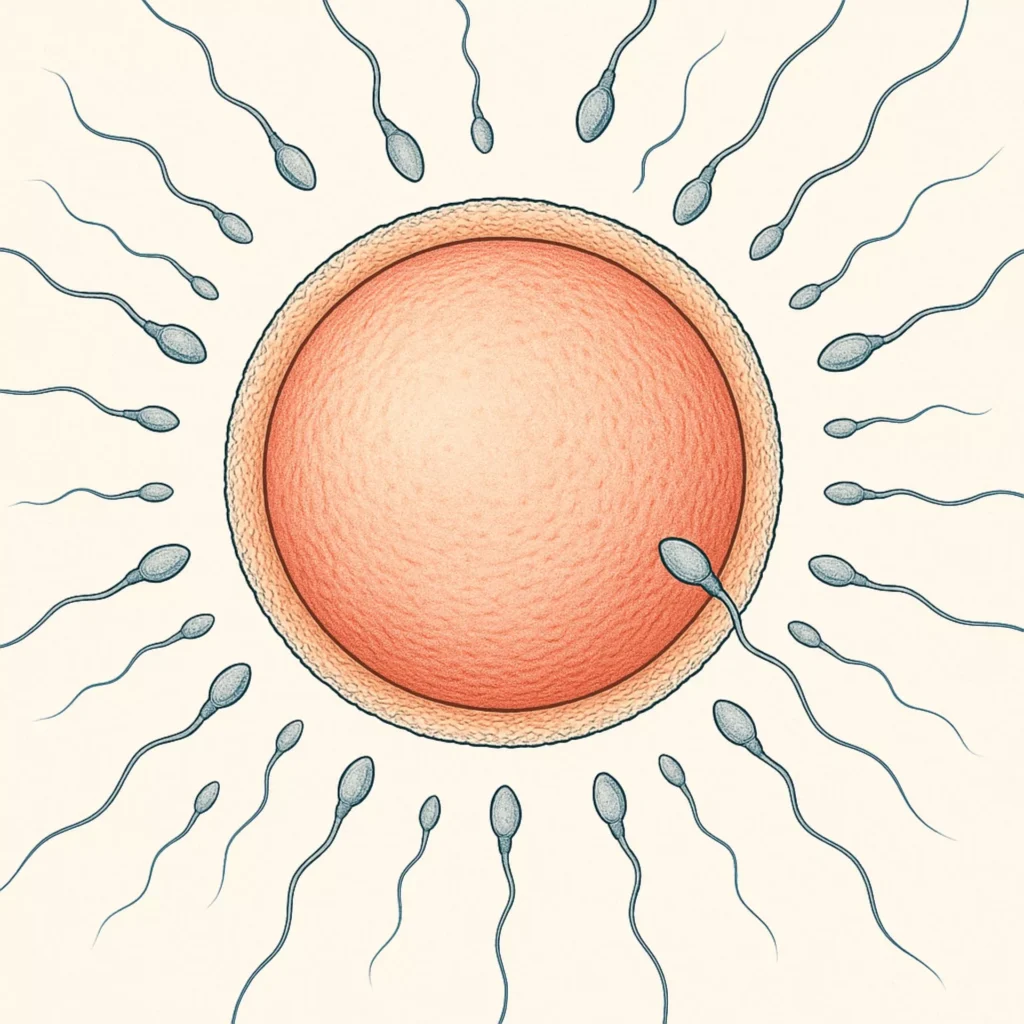
Functions of the Ovaries The ovaries perform several vital functions:
- Egg Production (Oogenesis) – Each month, an ovary releases a mature egg for potential fertilization.
- Hormone Secretion – The ovaries produce estrogen and progesterone, which regulate the menstrual cycle and maintain pregnancy.
- Support for Puberty and Menopause – Ovarian hormones guide sexual development and the eventual transition to menopause.
- Influence on Bone and Heart Health – Estrogen from the ovaries supports bone density and cardiovascular function.
Common Ovarian Conditions a) Polycystic Ovary Syndrome (PCOS) – A hormonal disorder causing irregular periods, excessive androgen levels, and enlarged ovaries with small cysts. b) Ovarian Cysts – Fluid-filled sacs on the ovary, often harmless but sometimes requiring treatment if large or persistent. c) Premature Ovarian Insufficiency (POI) – Early loss of normal ovarian function before age 40, affecting fertility and hormonal levels. d) Endometriomas – Cysts resulting from endometriosis that can damage ovarian tissue. e) Ovarian Cancer – A serious condition where malignant cells form in the ovaries, often detected late due to vague symptoms.
Symptoms of Ovarian Disorders Recognizing ovarian health issues early can aid in successful management. Common symptoms include:
- Irregular or absent periods
- Pelvic pain or discomfort
- Bloating or abdominal swelling
- Pain during intercourse
- Unexplained weight changes
- Infertility or difficulty conceiving
Diagnosis of Ovarian Health Problems Diagnosis often involves a combination of tests:
- Pelvic Exam – To detect any abnormalities in size or shape.
- Ultrasound – To visualize the ovaries and detect cysts or tumors.
- Blood Tests – Hormone levels, tumor markers (e.g., CA-125 for ovarian cancer).
- Laparoscopy – A surgical procedure to directly observe ovarian and pelvic structures.


Prevention and Lifestyle Tips for Ovarian Health
- Regular Medical Checkups – Annual gynecological exams help detect issues early.
- Balanced Diet – High in fiber, fruits, vegetables, and omega-3 fatty acids.
- Exercise – Helps maintain healthy weight and hormone levels.
- Avoiding Toxins – Limiting exposure to endocrine disruptors in plastics and chemicals.
- Stress Management – Chronic stress can disrupt hormone production.
- Monitoring Menstrual Cycles – Helps detect irregularities early.
Treatment Options
- Medications – Birth control pills to regulate hormones or ovulation-inducing drugs for infertility.
- Surgery – Removal of cysts, tumors, or damaged ovarian tissue.
- Hormone Replacement Therapy (HRT) – For women with POI or menopause.
- Fertility Treatments – IVF, IUI, or egg preservation depending on the condition.
- Oncological Treatment – Surgery, chemotherapy, or radiation for ovarian cancer.
Supporting Fertility through Ovarian Health Healthy ovaries are key to conception. For women trying to conceive, it is essential to:
- Track ovulation
- Maintain a healthy BMI
- Avoid smoking and alcohol
- Manage underlying conditions like PCOS or thyroid disorders
Emotional and Psychological Considerations Living with ovarian disorders can impact mental health. Support systems, therapy, and joining groups with similar experiences can provide emotional relief. Women’s health should be addressed holistically, considering physical, emotional, and social factors.
Conclusion Ovarian health is foundational to a woman’s well-being. Early detection, preventive care, and lifestyle adjustments can reduce the risk of ovarian disorders. Empowering women with knowledge and access to healthcare ensures long-term reproductive and general health.
